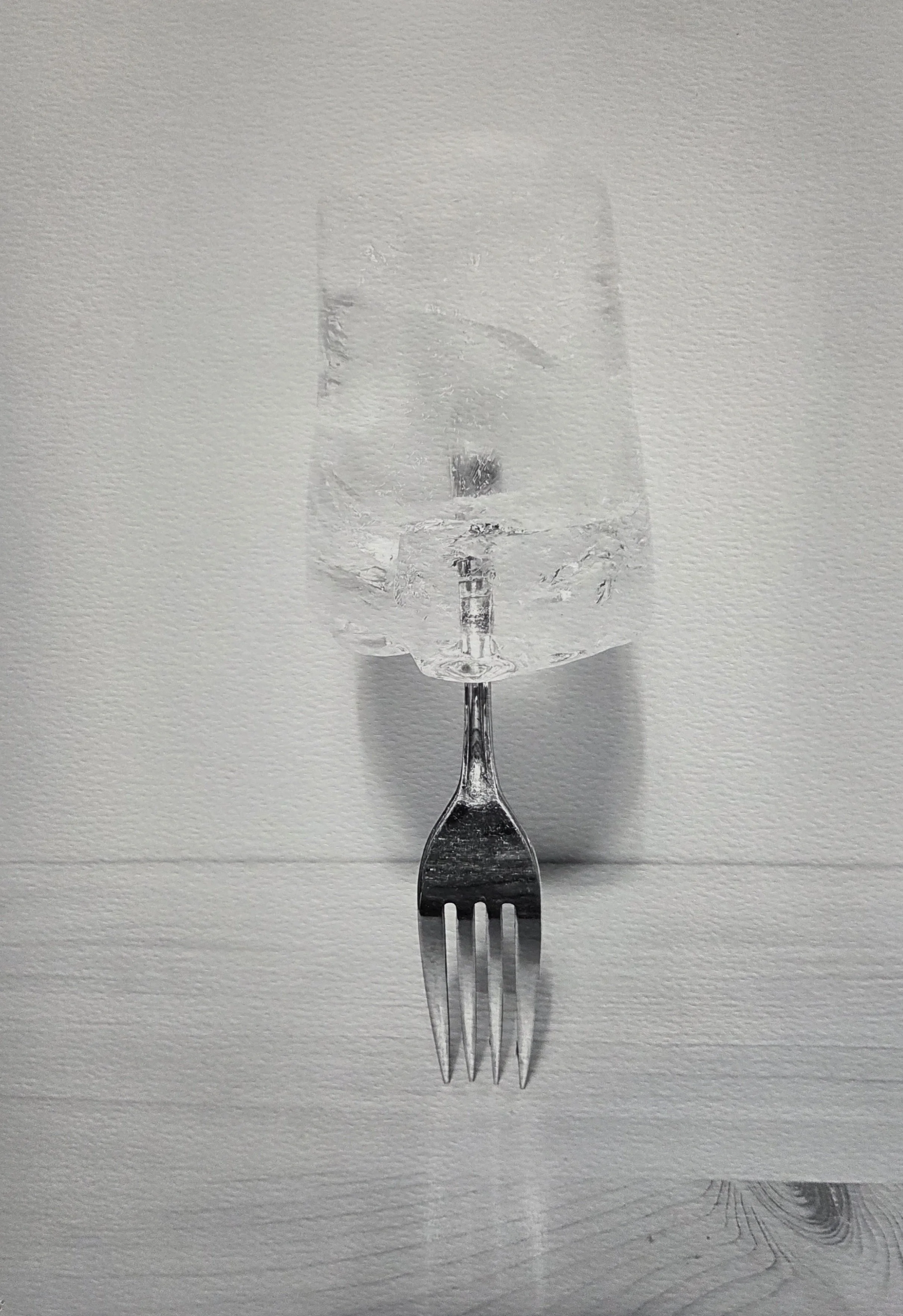
A metal fork with a glass of water on top, creating the illusion of a single object, against a plain white background.
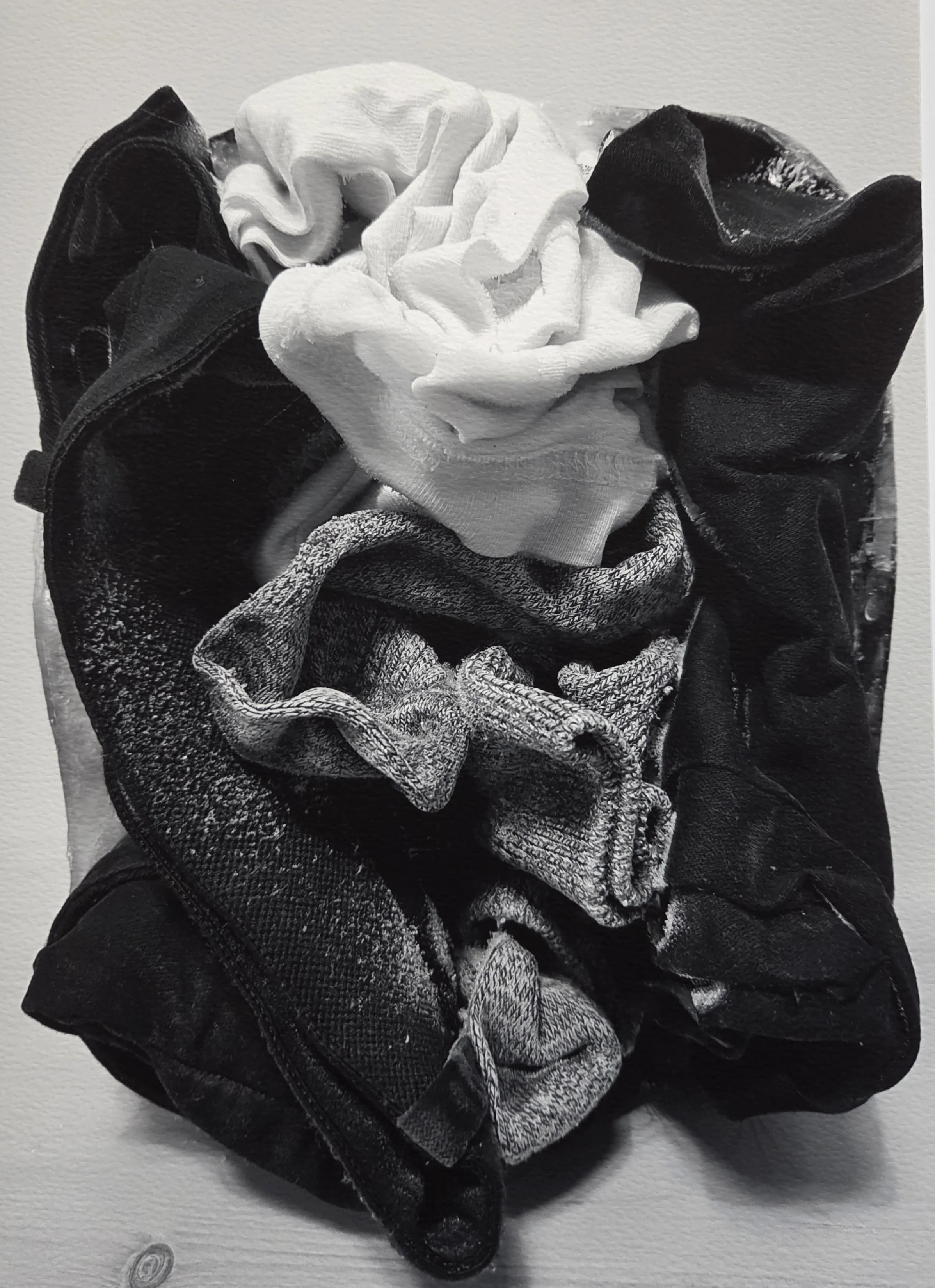
A pile of folded clothes including a white shirt, a pair of jeans, and darker-colored garments.

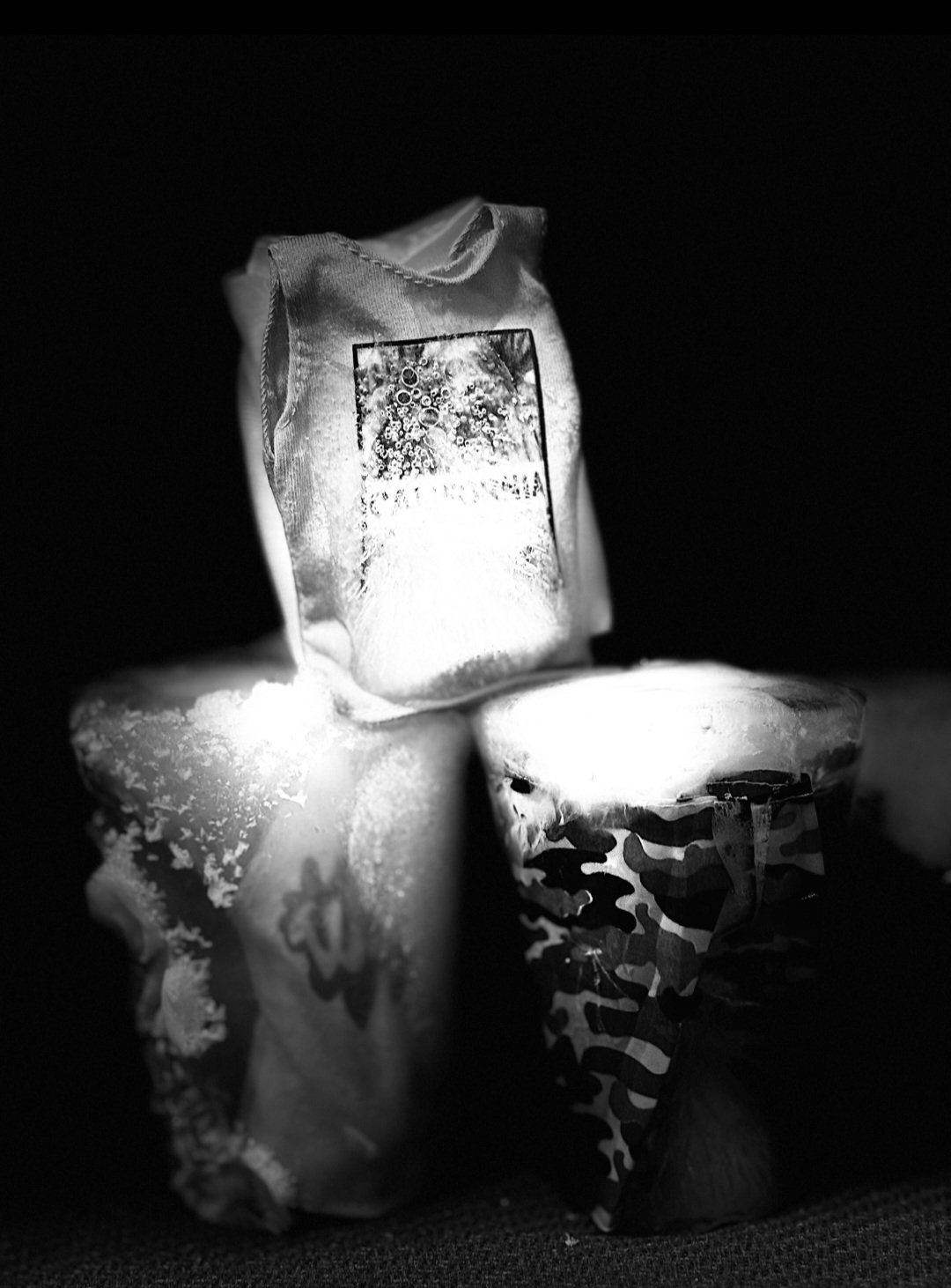
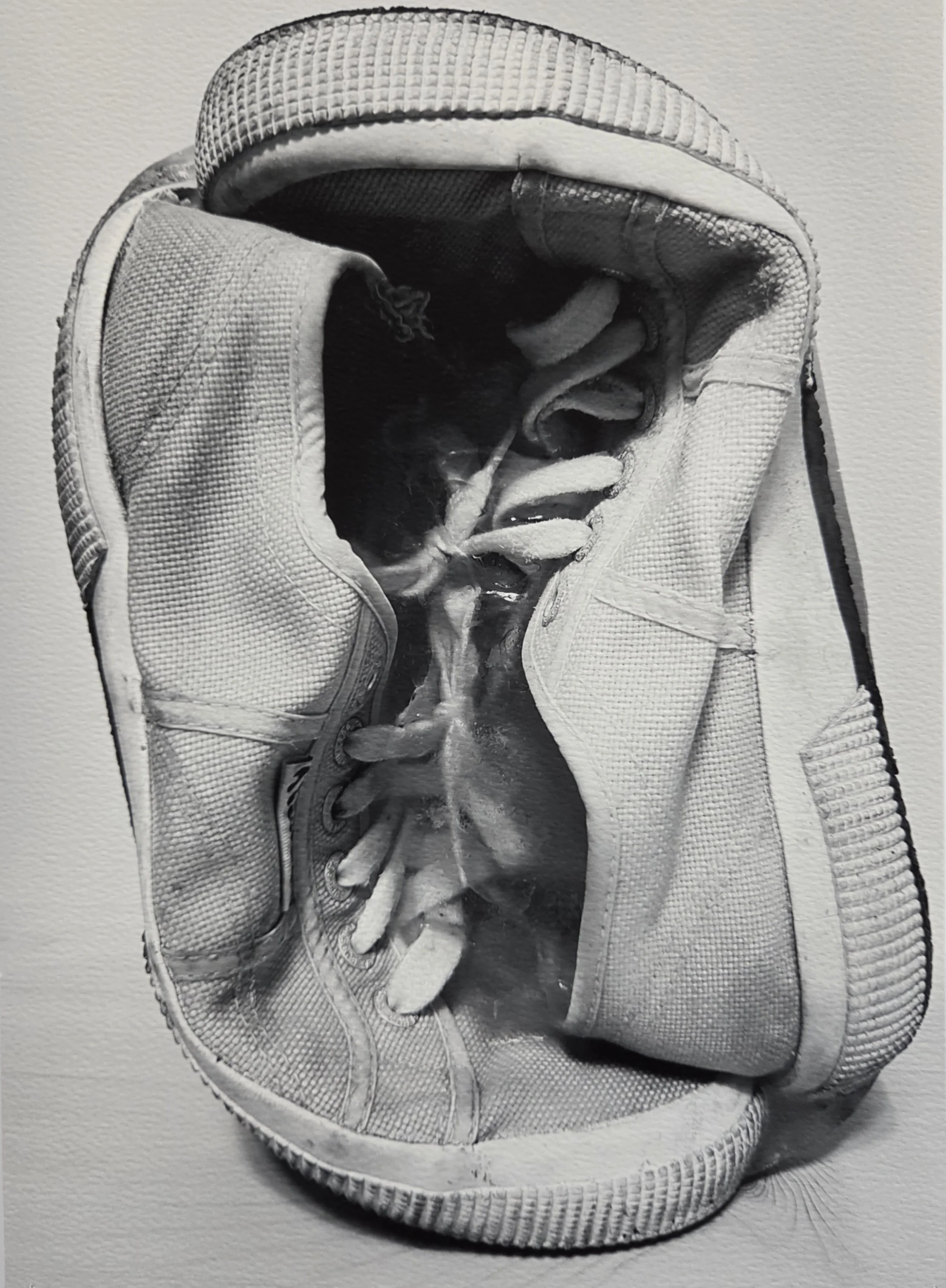
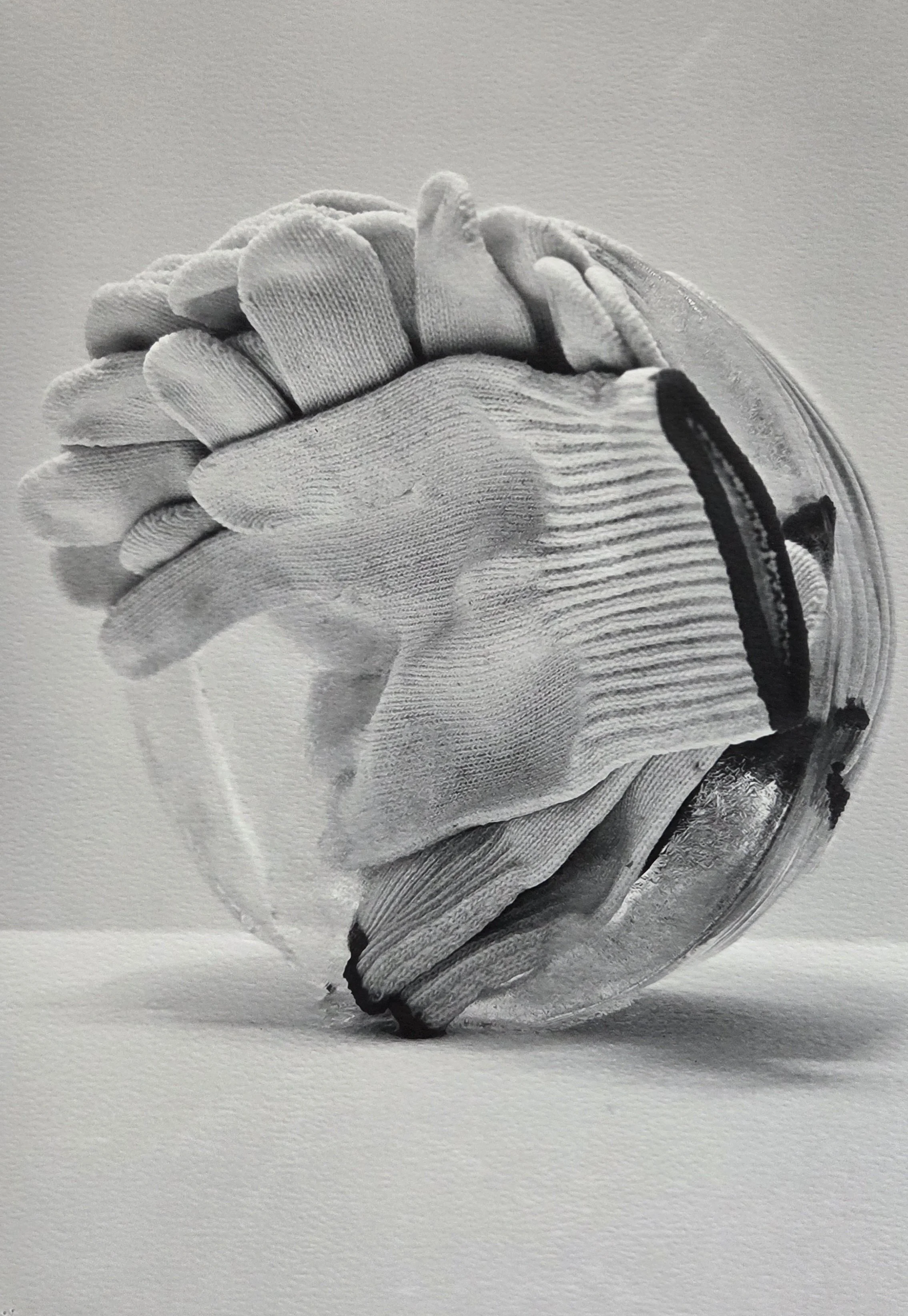
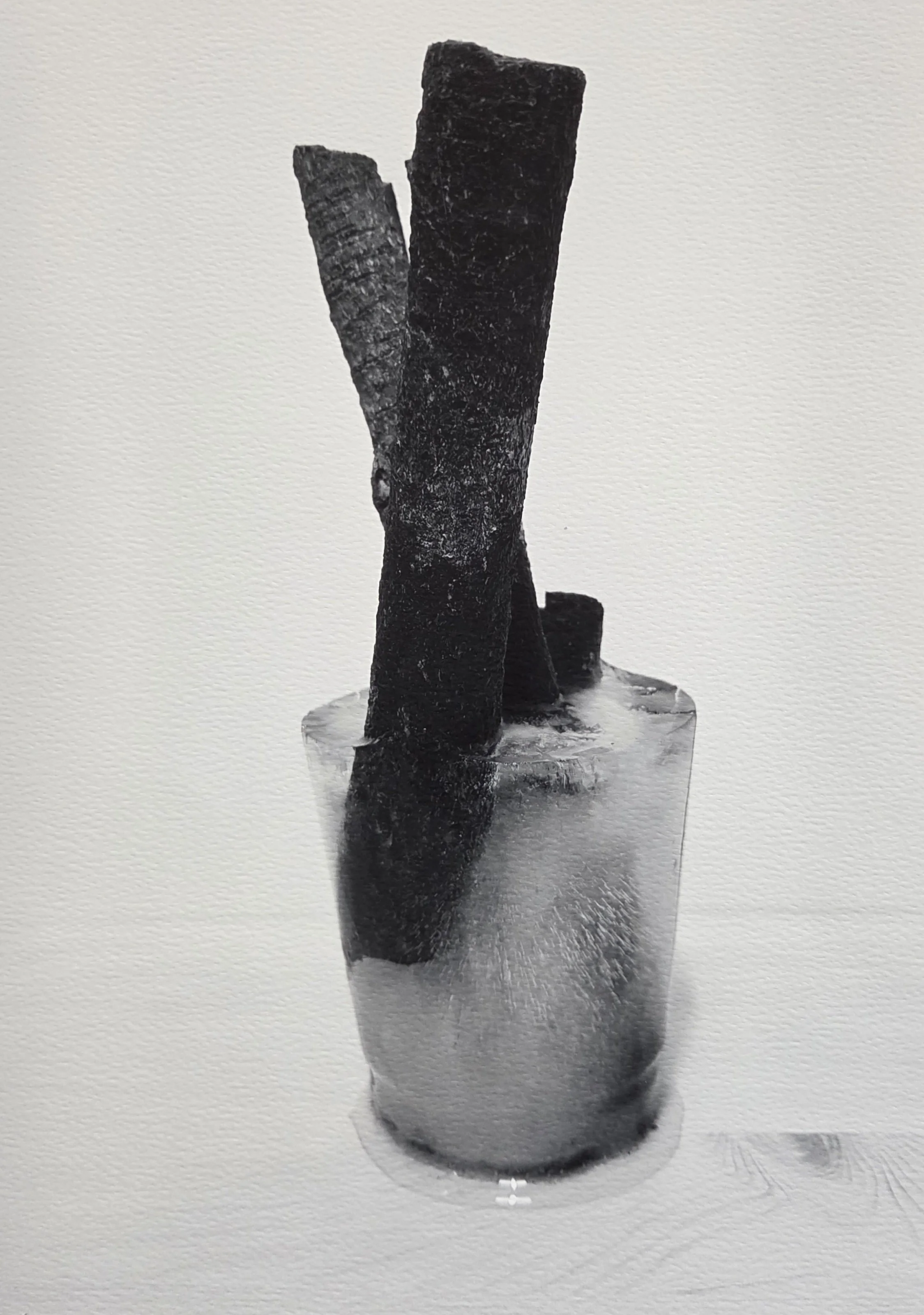
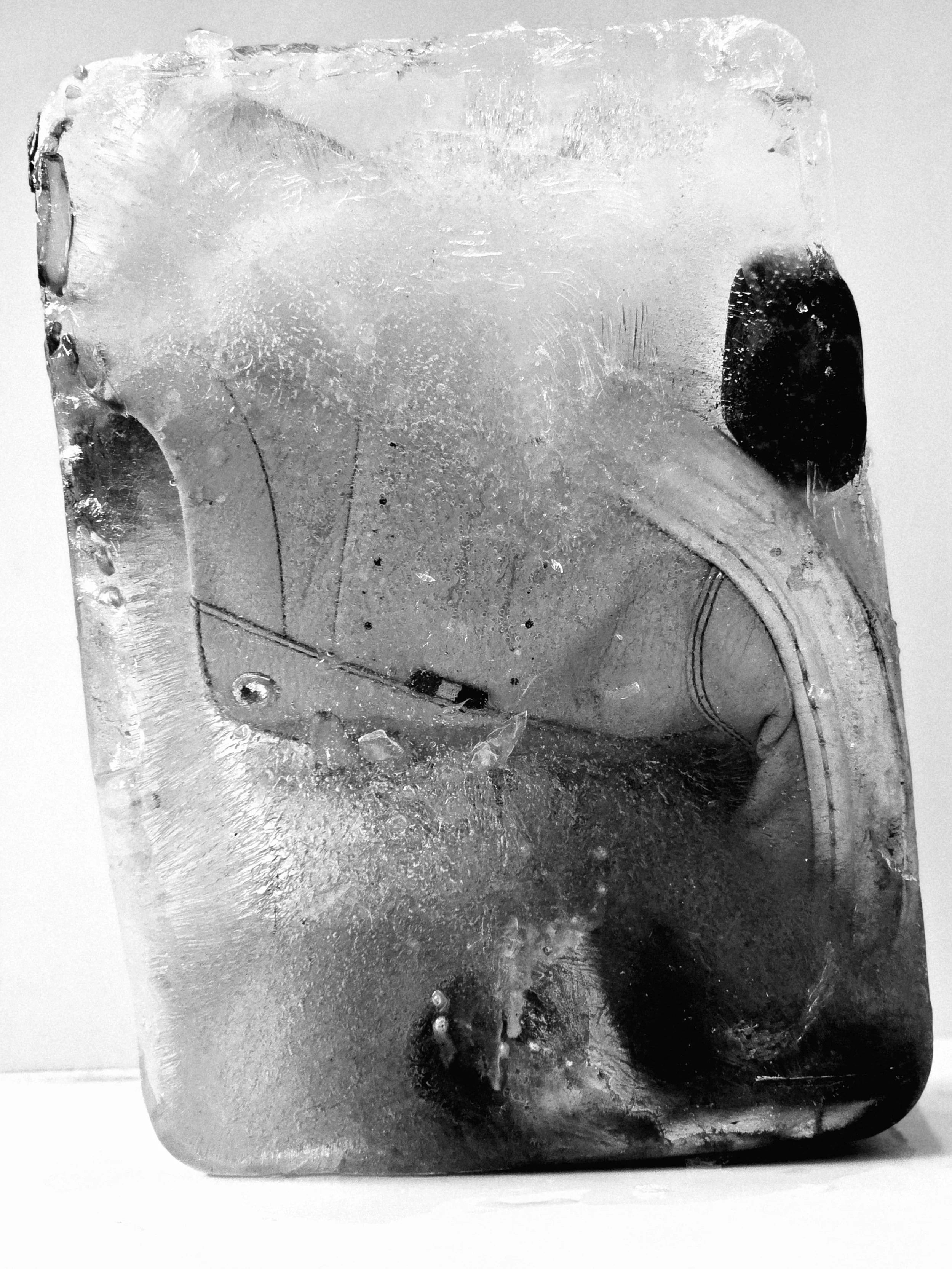
경주라는 고립된 시공간 속 유년과 사춘기를 견디게 한 원고지, 장난감, 교복 등은 단순한 과거의 유물이 아니다.

나는 그 시간을 프레임 안에 포착된 한 장의 사진이 아닌, 얼음 속에 갇힌 ‘또 다른 나’라 부른다.

렌즈 표면에 투영되지 않고 사진 안에 차마 비쳐 보이지 않는 가라앉은 기억이자 존재의 실체다.

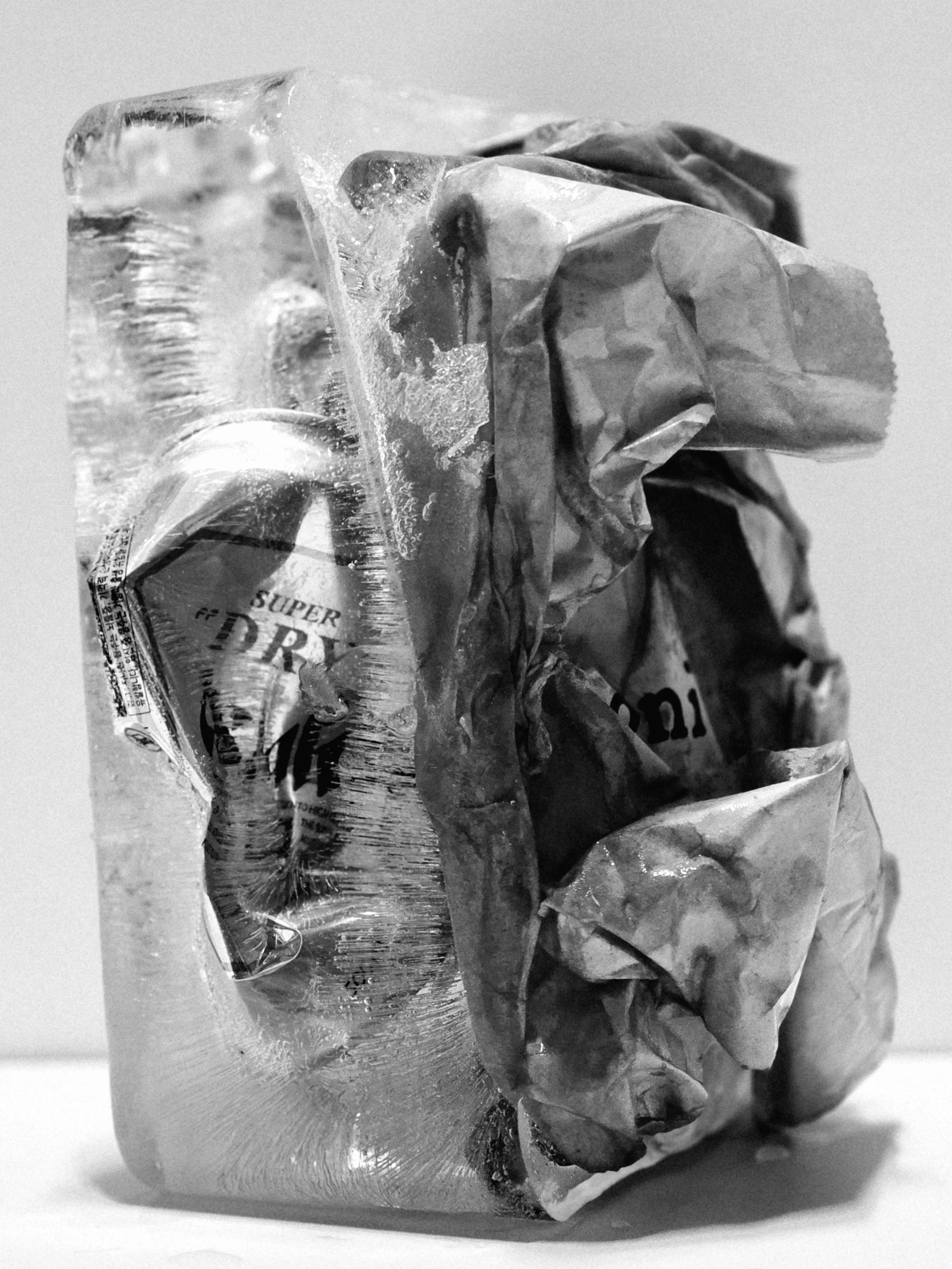
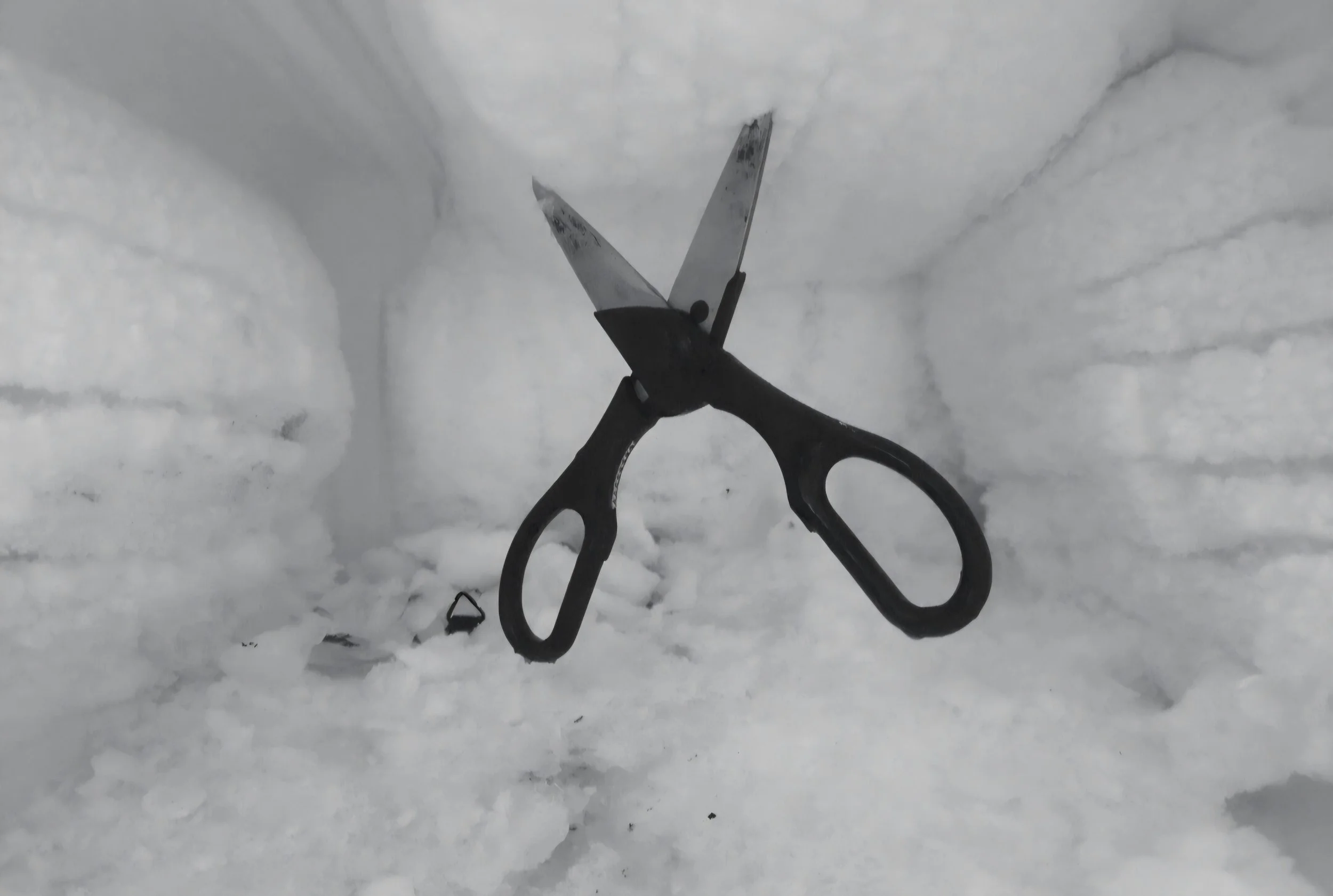
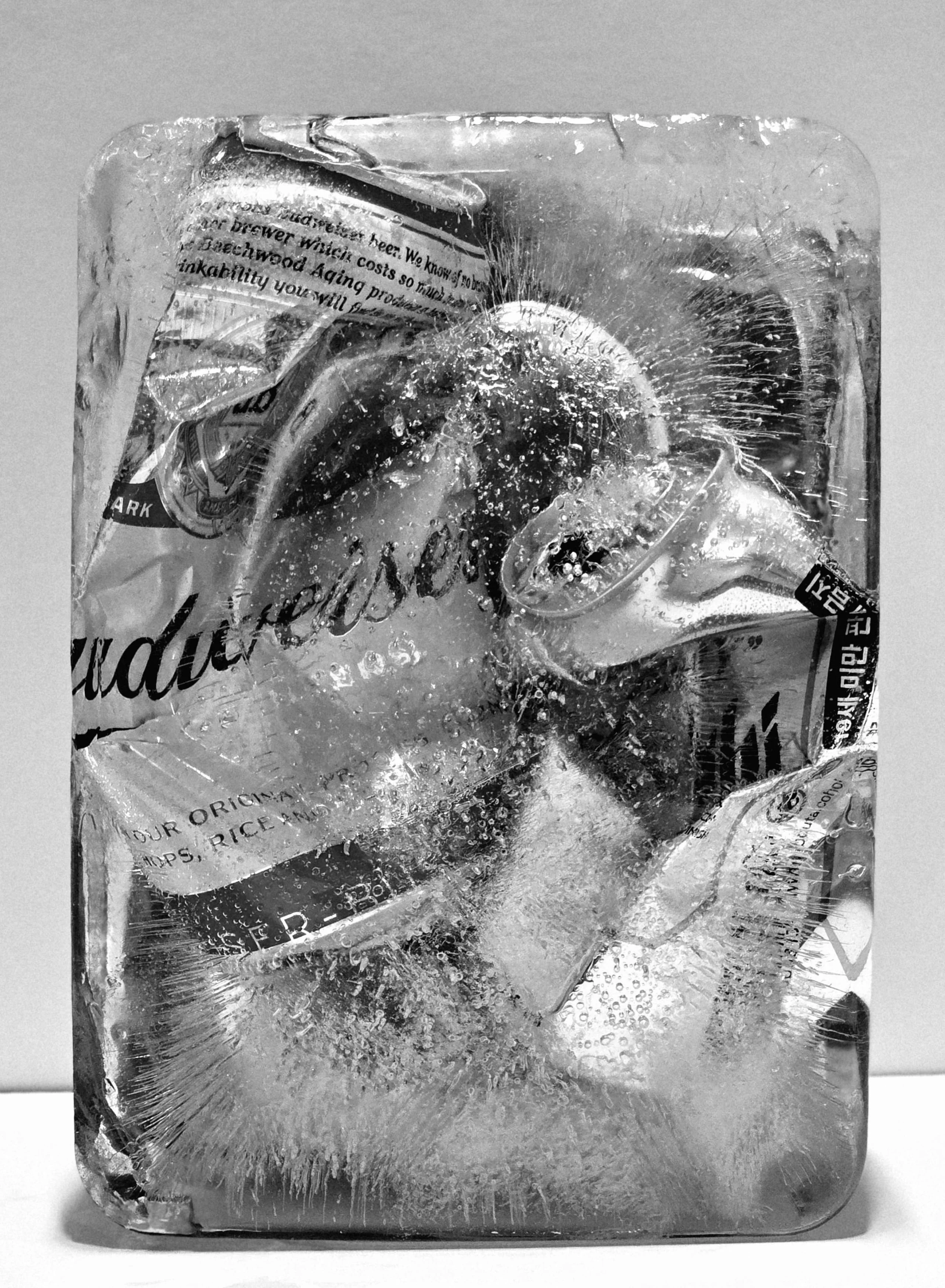
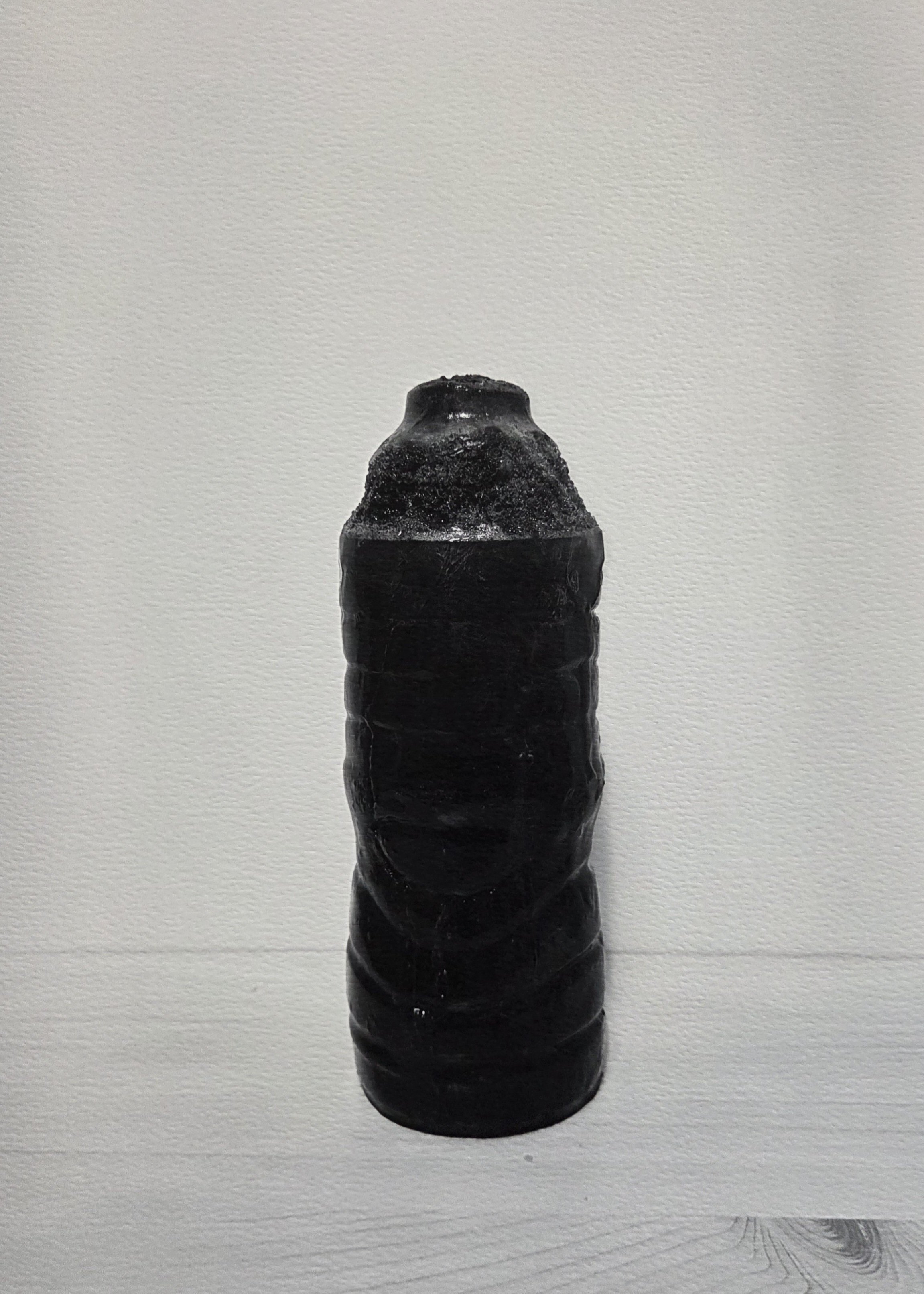
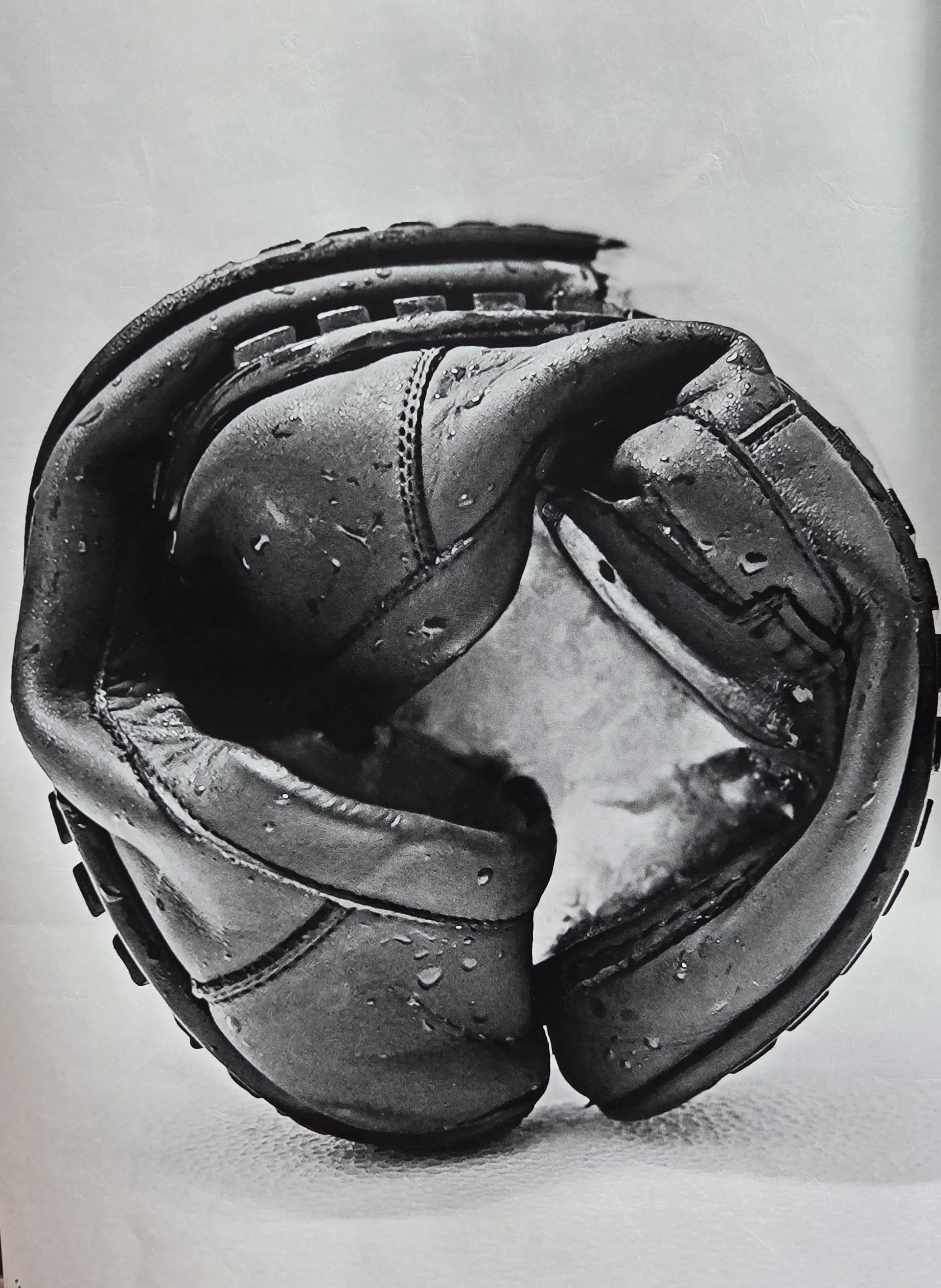
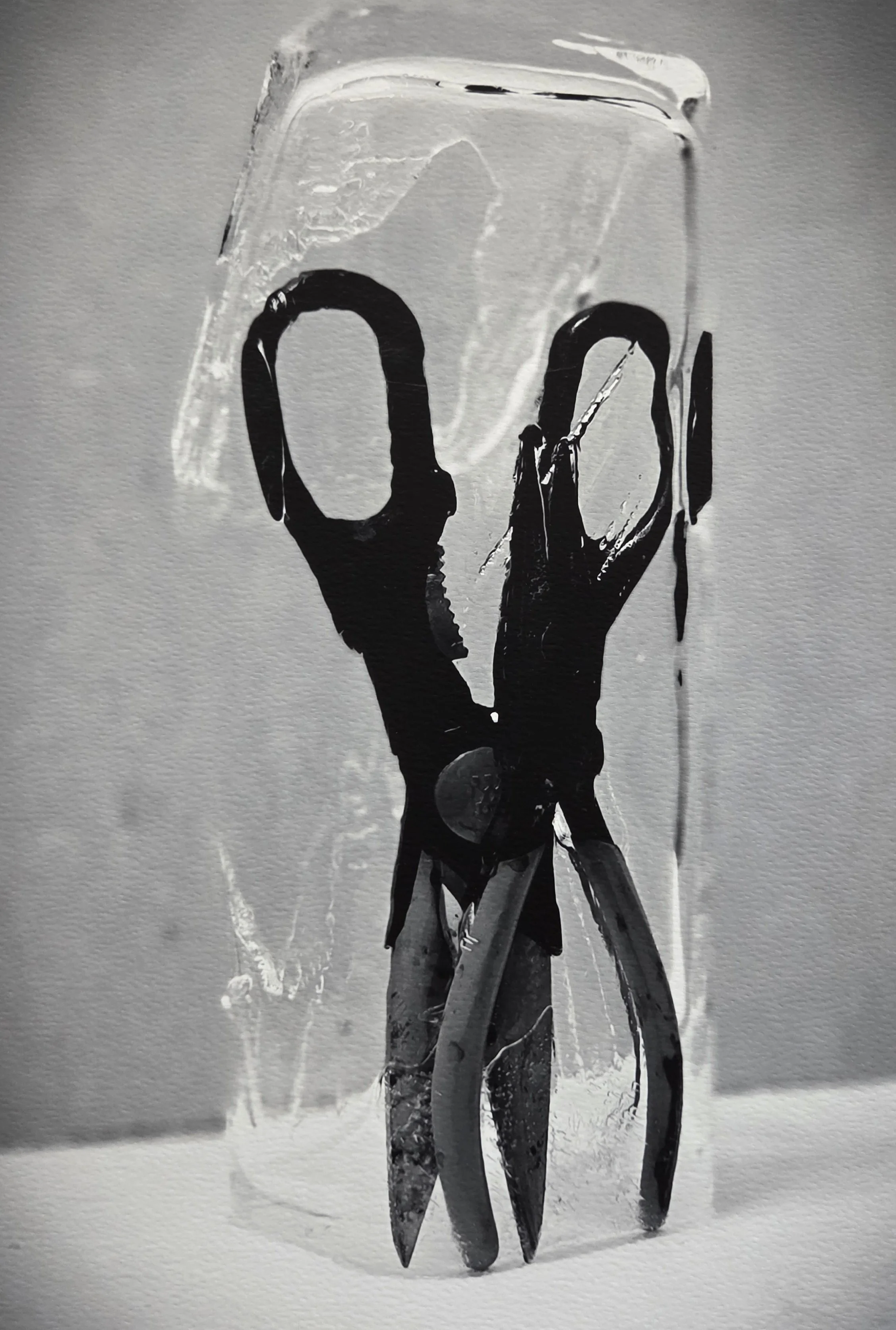
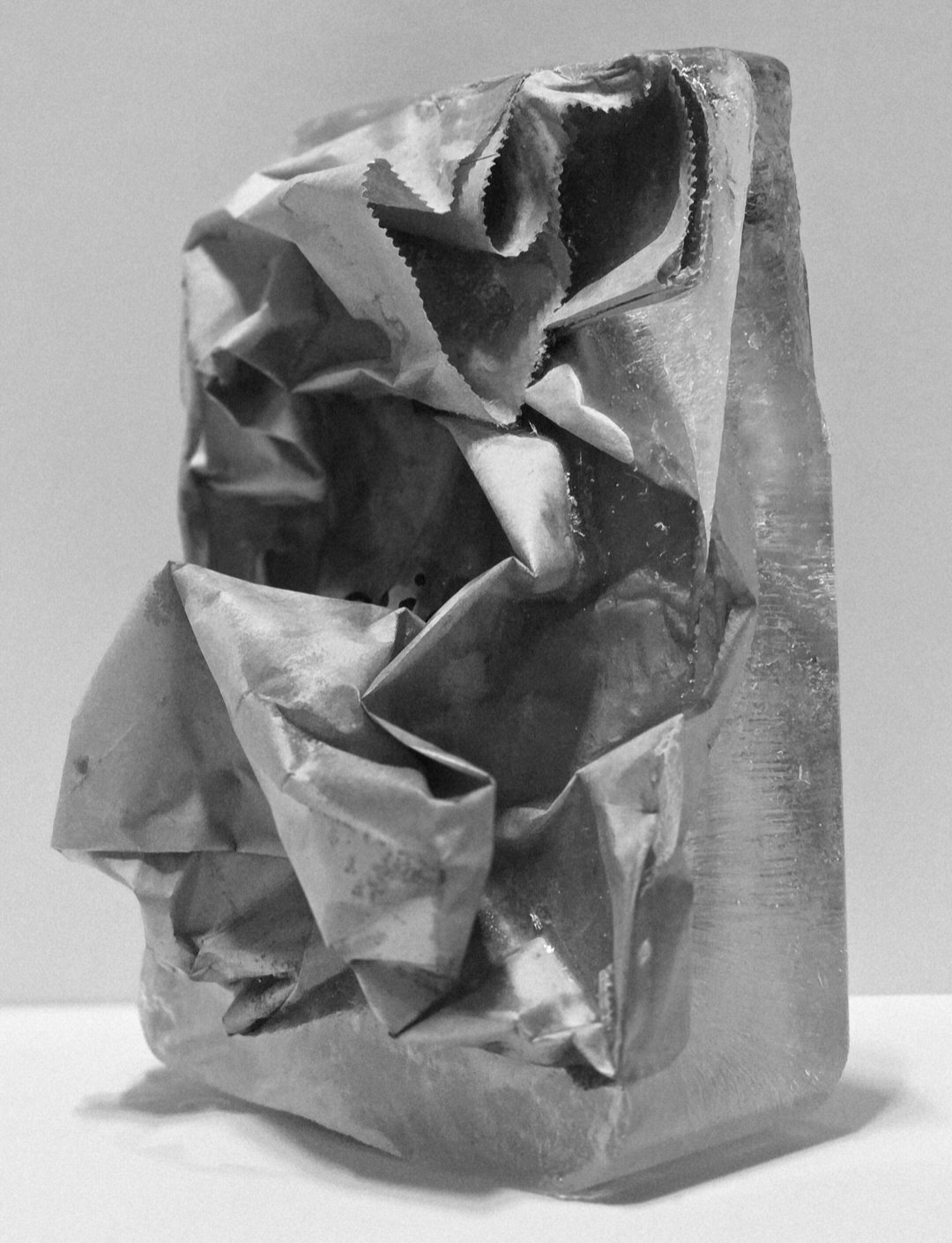
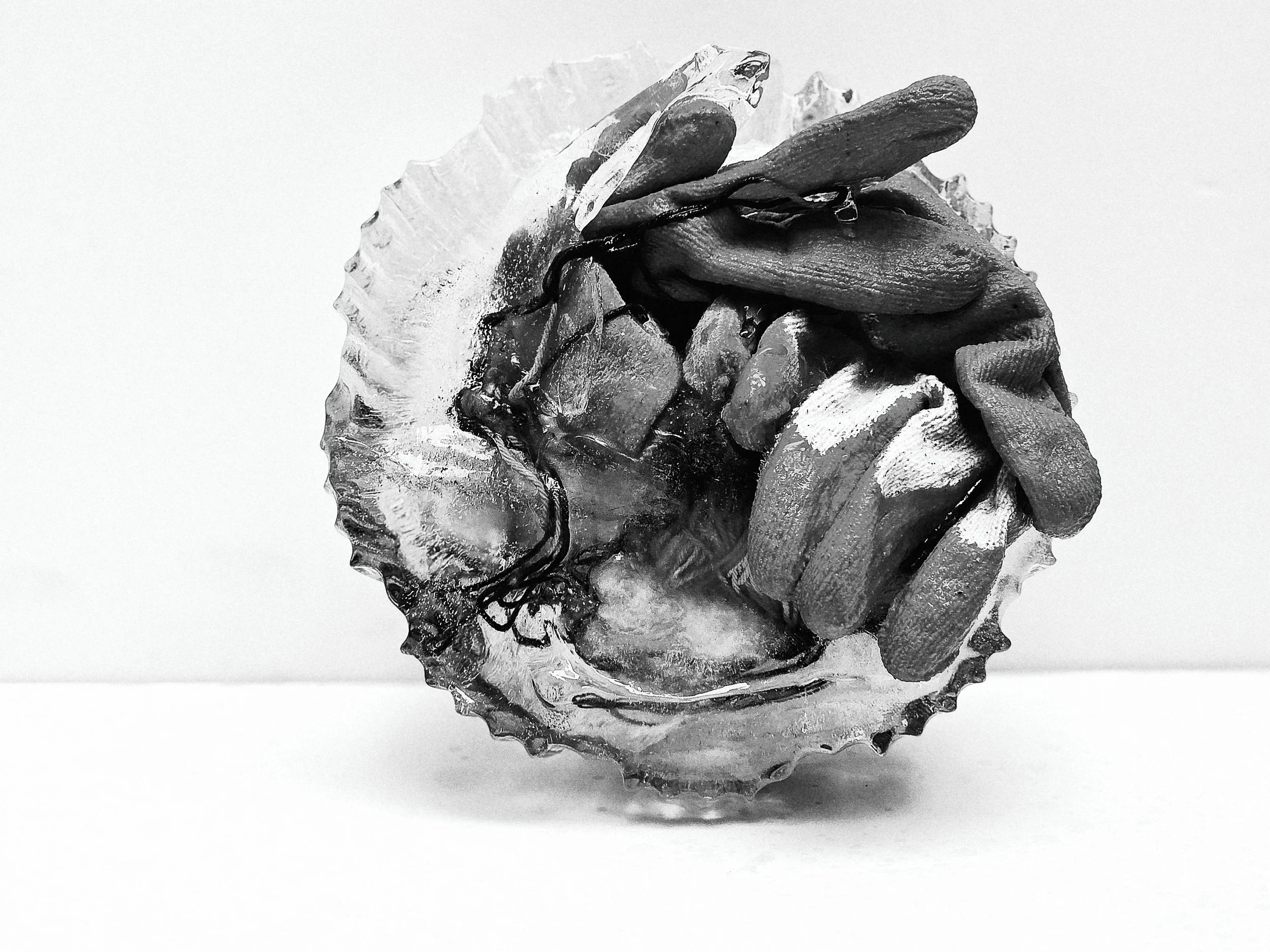
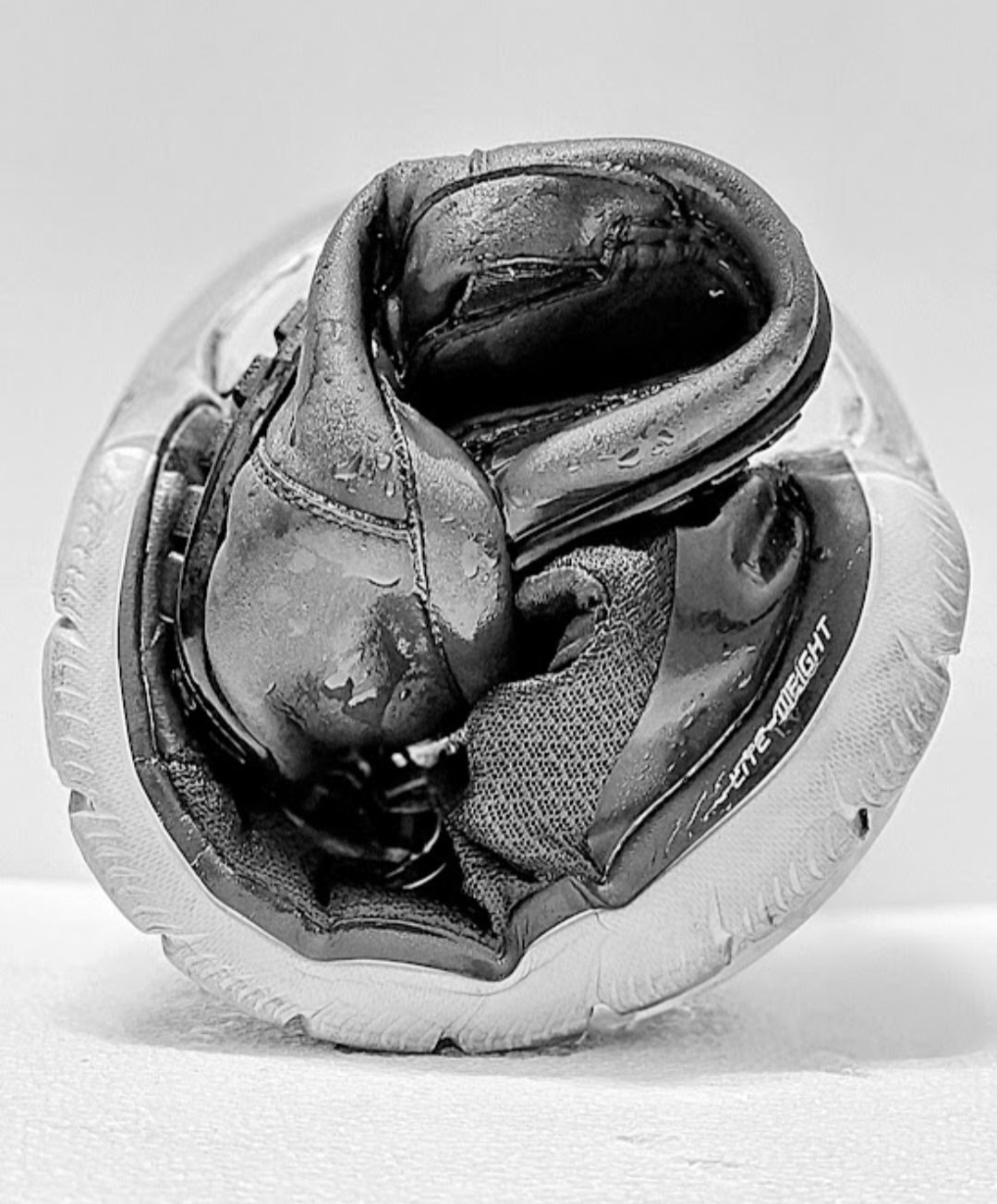
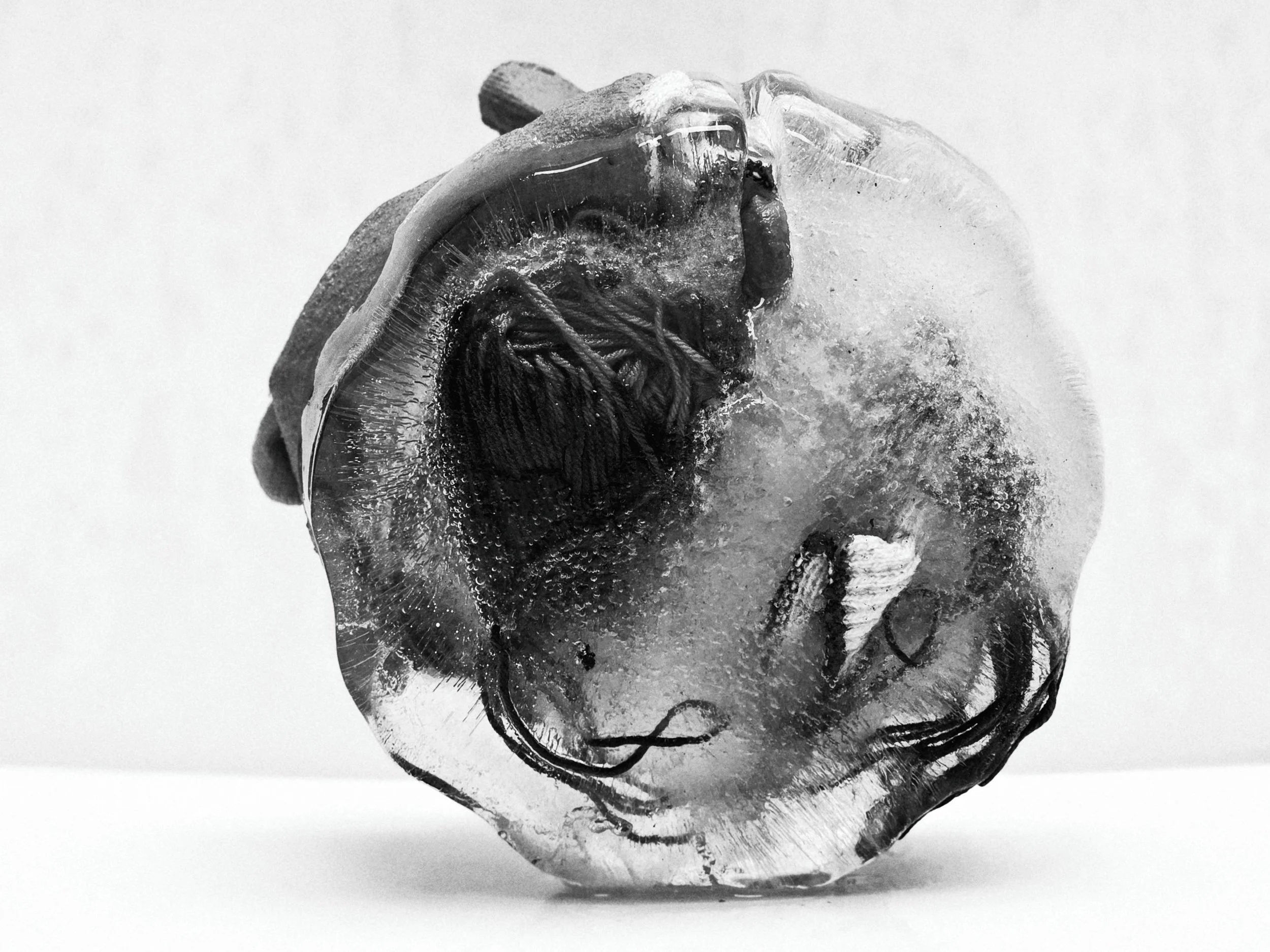
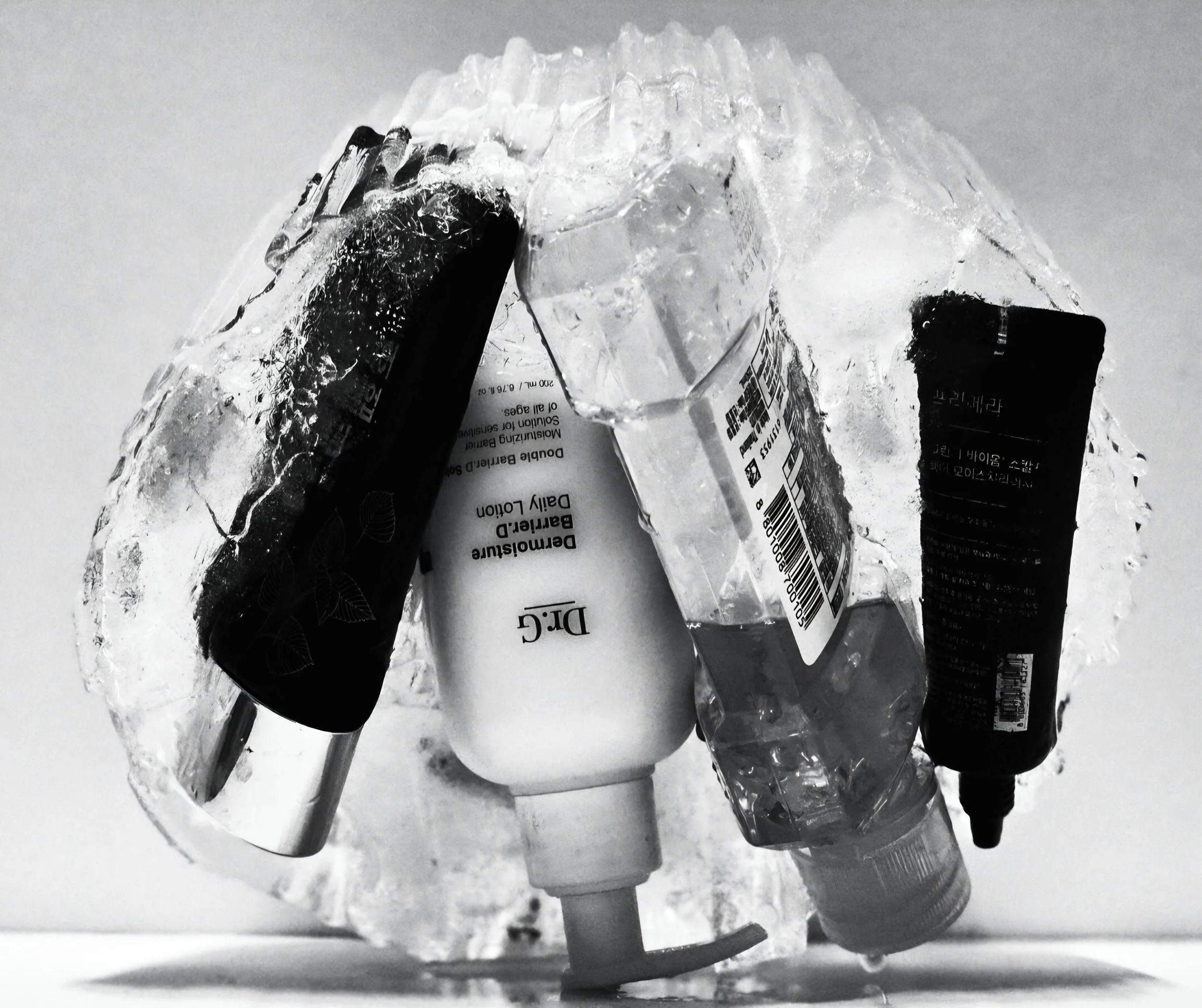
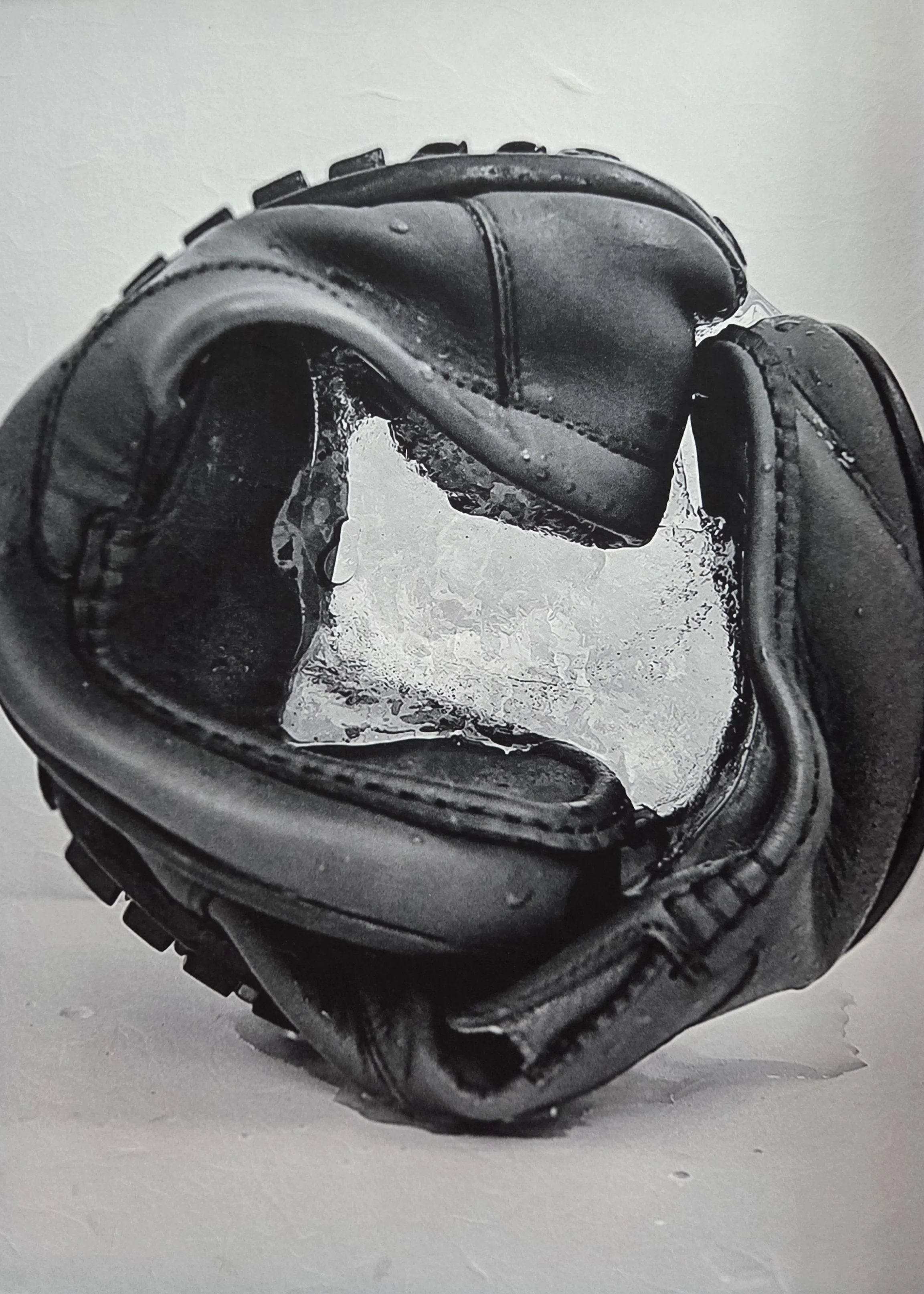
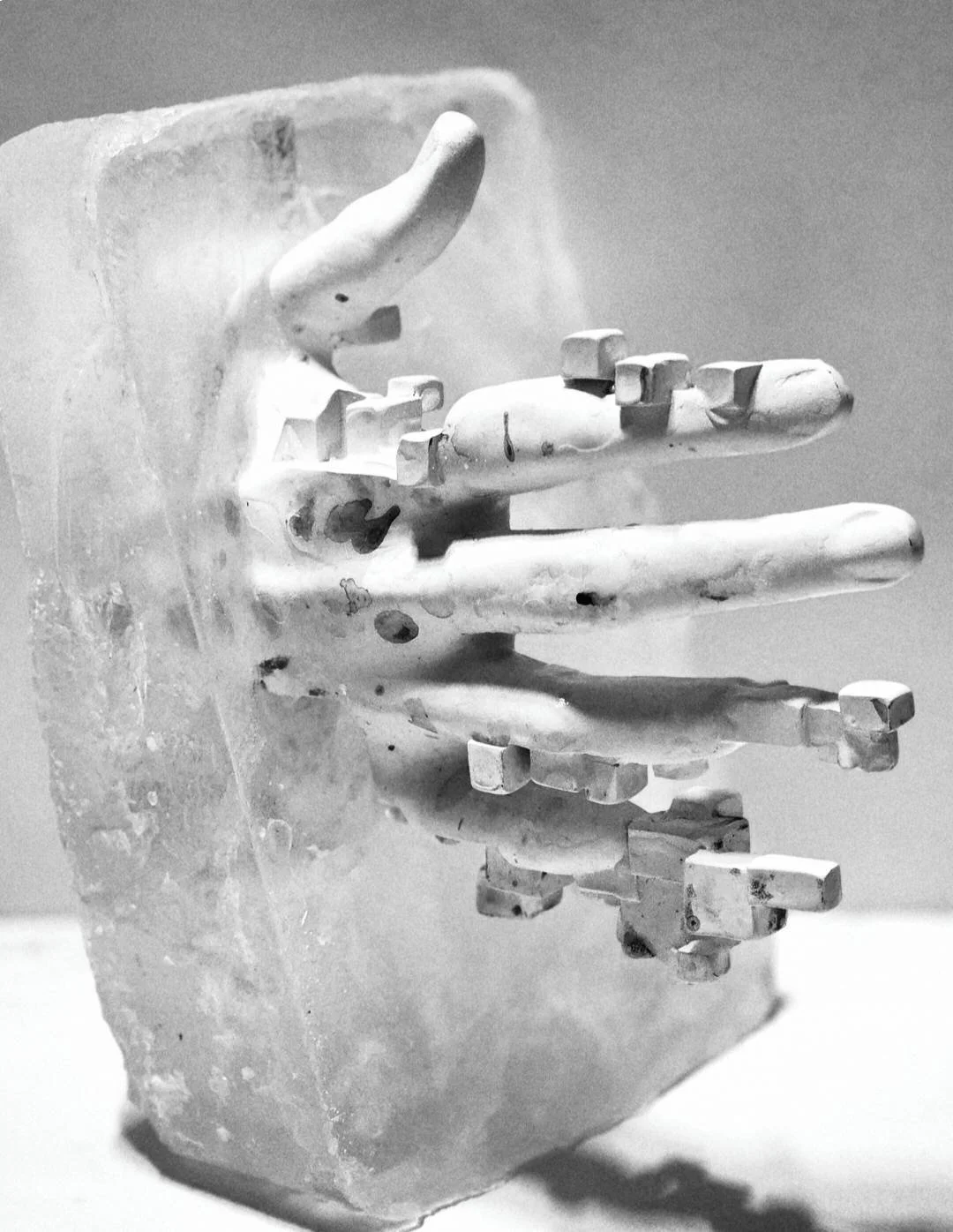
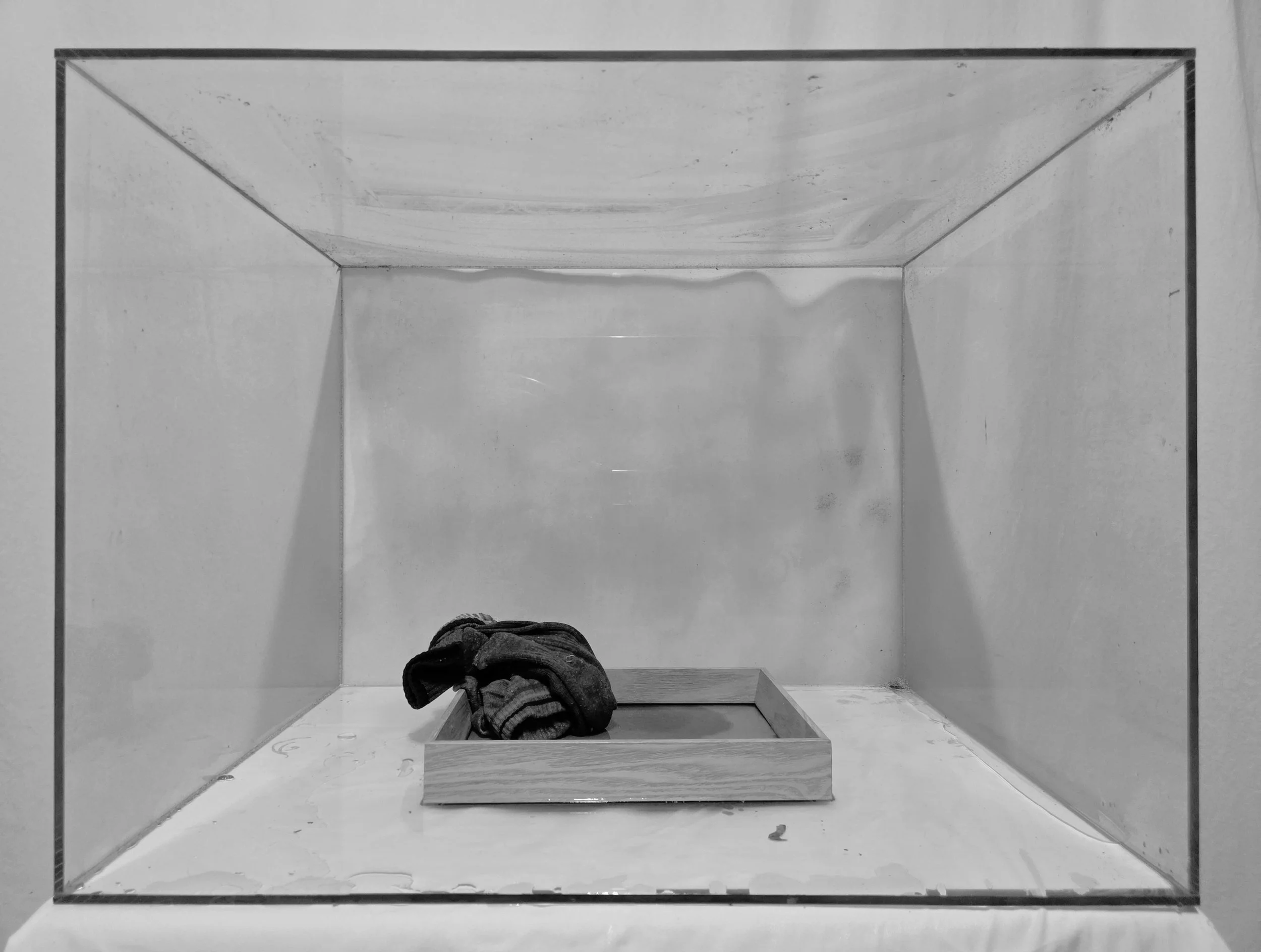
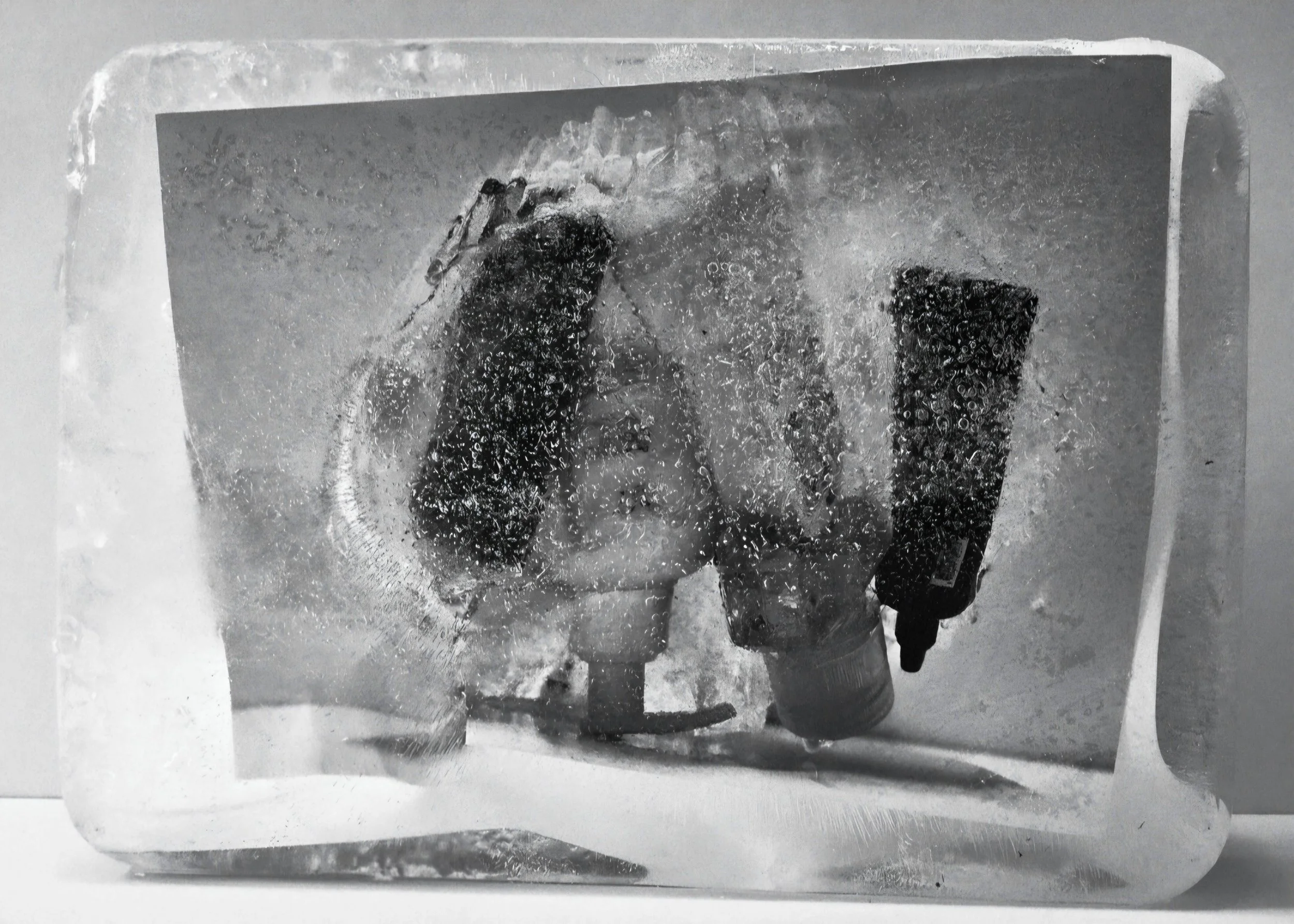
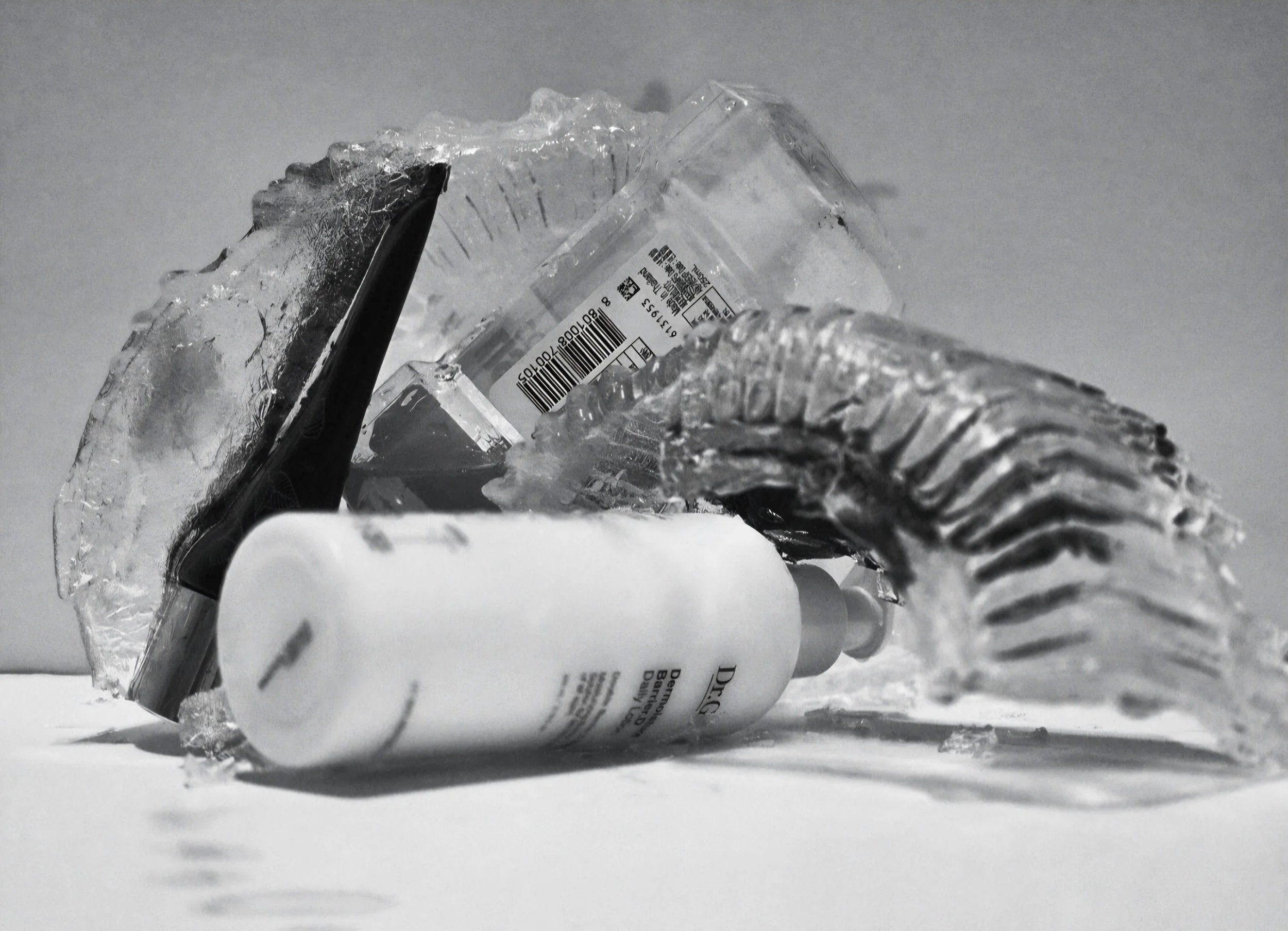
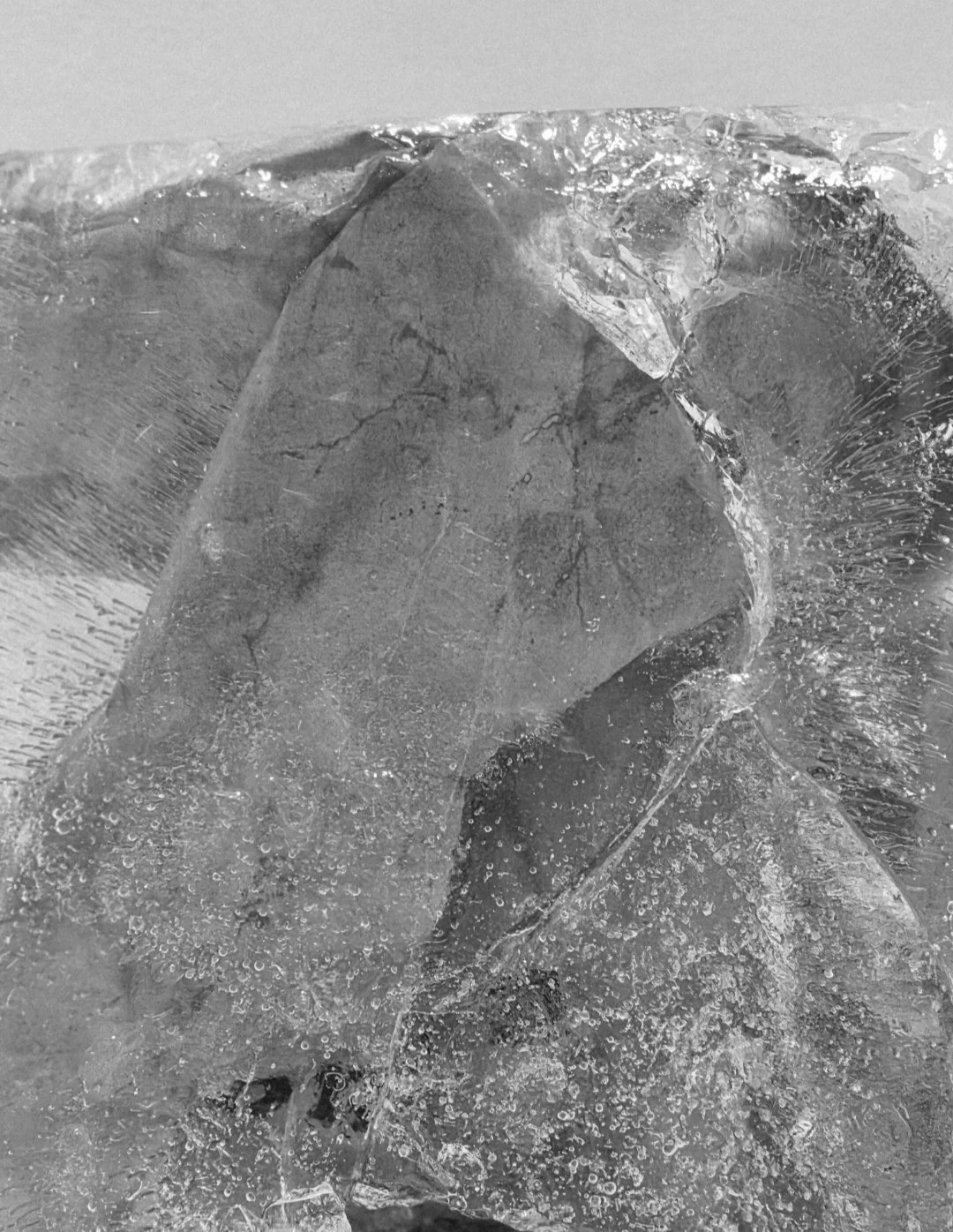
​작업 <얼음 문명>은 이 은밀하고 잔혹한 기억을 물성의 변화로 승화시키는 일이다. 사각형의 얼음 덩어리는 완전한 고립과 통제를 형상화하며, 그 안에 봉인된 오브제들은 호흡과 이동의 자유를 박탈당한다.

사진이라는 평면 매체가 지닌 한계를 넘어, 차갑고 불투명한 얼음의 질감은 겉으로 드러나지 않는 내부의 결핍과 상흔을 비로소 감각하게 만든다.

얼음 아래 멈춰 선 물상들은 보이지 않는 기억의 초상이자, 언젠가 녹아내려 증발하고 흐르고야 말 삶의 통증에 대한 고요한 증언이다.
​"It hurt. It hurts. And it will hurt."

The manuscript paper, toys, and school uniforms that defined my youth in the isolated city of Gyeongju are not mere remnants of the past.

I define that time not as a photograph captured within a frame, but as "another self" frozen in place—an invisible memory that refuses to be reflected on the surface of a lens.

​Ice Civilization transforms this hidden narrative into a physical state of being. The solid block of ice embodies total isolation and control, stripping the sealed objects of their freedom to move or breathe.

Beyond the limits of flat photography, the cold, opaque texture renders the unseen scars and existential lack tangible. The objects held motionless beneath the ice serve as portraits of invisible memory—a quiet record of pain that must eventually thaw, melt, and flow away.