이 작업은 철학자 Yuk Hui와 Tim Ingold의 사유에서 출발하지만, 궁극적으로는 존재에 대한 나의 질문으로 향한다.
나는 존재를 고정된 실체로 보지 않는다. 존재는 완성된 상태가 아니라 끊임없이 다른 형태로 이동하는 과정이다. 우리는 흔히 사라짐을 존재의 끝이라고 생각하지만, 나는 오히려 사라짐 속에서 존재가 가장 분명하게 드러난다고 믿는다.
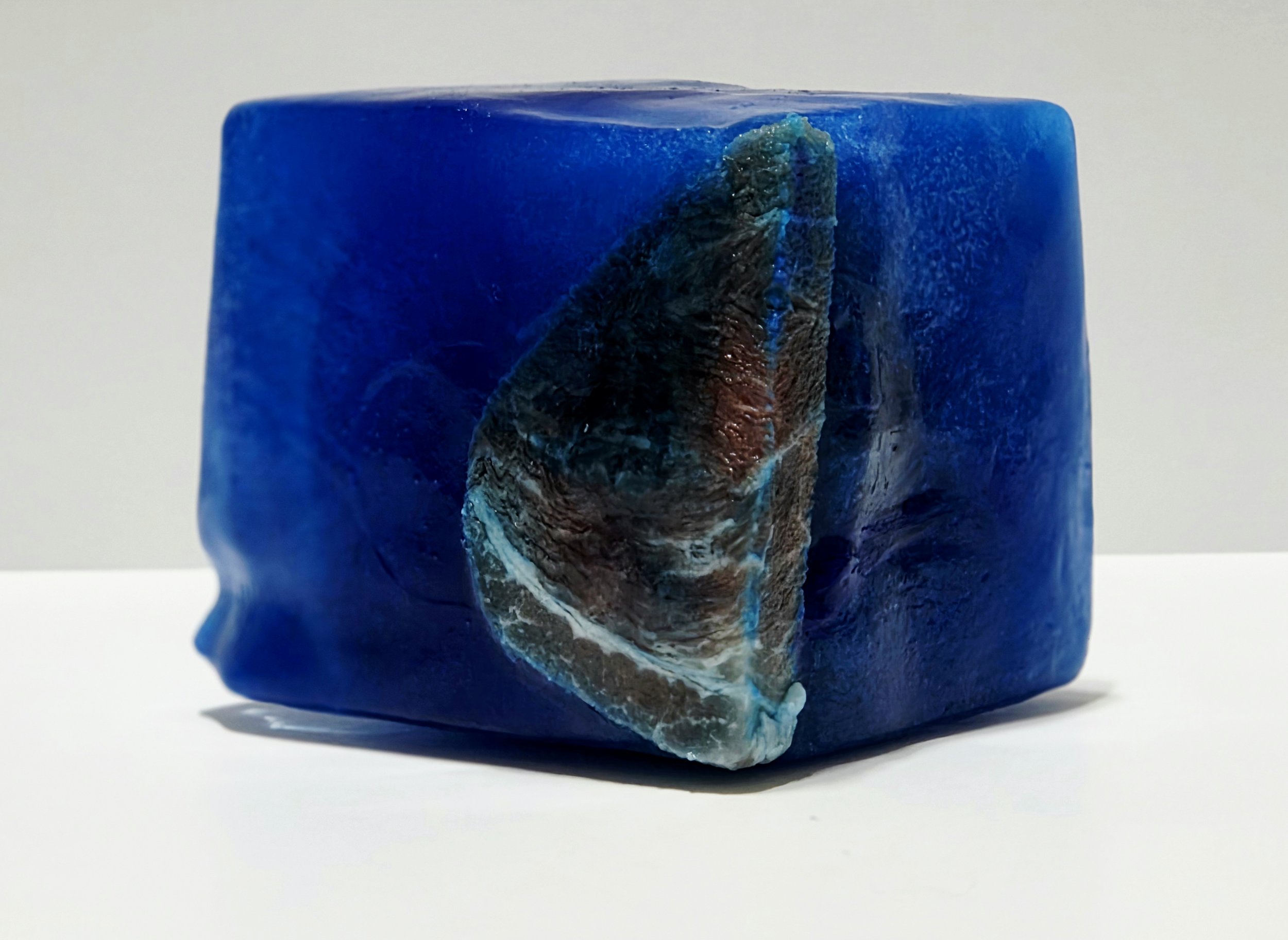
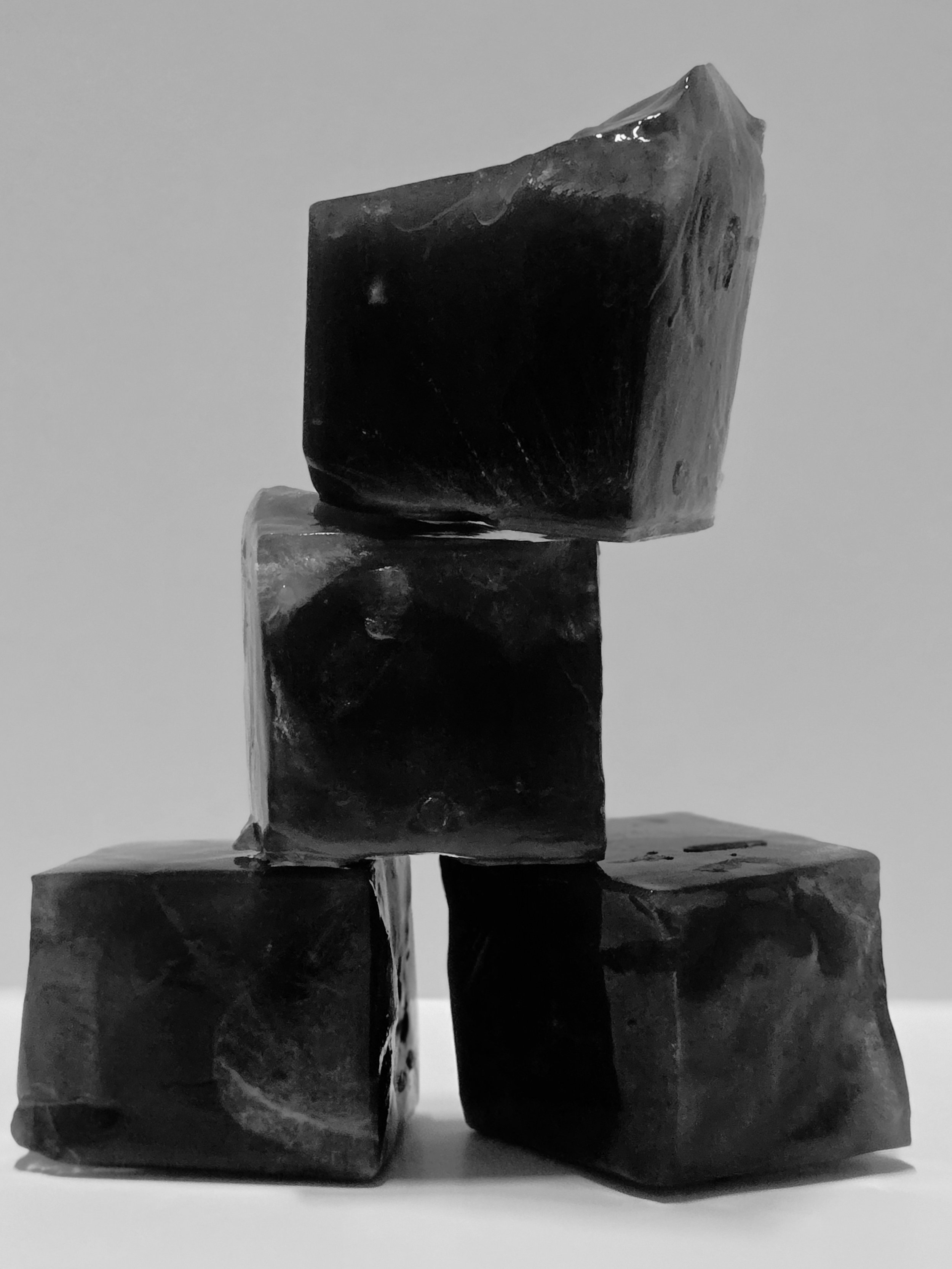
얼음은 이러한 생각을 보여주는 물질이다. 얼음은 단단한 형체를 가지고 있지만 동시에 녹아내리며 자신의 경계를 끊임없이 해체한다. 그것은 존재와 부재, 생성과 소멸 사이에 머무르는 상태이다. 작품 속 구조물들은 조각처럼 보이지만 사실 완성된 형태가 아니다. 그것들은 시간이 지나며 균열되고 흐르며 다른 모습으로 전환된다.
Tim Ingold가 말한 물질의 흐름과 Yuk Hui가 제시한 관계적 존재론은 이 작업의 중요한 출발점이지만, 나는 존재를 더욱 근본적으로 '흔적을 남기는 힘'으로 이해한다. 형태는 사라질 수 있지만 관계와 흔적은 남는다. 녹아내린 얼음이 물이 되어 공간에 스며들듯, 존재는 소멸하는 것이 아니라 다른 상태로 이동하며 세계 속에 계속 머문다.
따라서 이 작업은 물질에 관한 이야기가 아니다. 그것은 "존재는 어디에서 시작되고 어디에서 끝나는가"라는 질문이며, 사라짐 이후에도 남아 있는 존재의 그림자를 바라보려는 시도이다.
Shadows of Existence, Flow of Space
This work begins with the ideas of Yuk Hui and Tim Ingold, yet ultimately turns toward my own question of existence.
I do not understand existence as a fixed substance. For me, existence is a process of continuous transformation. What we often call disappearance is not an end, but a transition into another state of being. Existence does not vanish; it changes its form and continues through traces, relations, and memory.
Ice becomes a material through which this idea can be observed. It appears solid and stable, yet it is always in the process of melting. It exists between presence and absence, formation and dissolution. The structures in this work resemble completed sculptures, but they are in fact temporary conditions suspended within time. As they melt, crack, and transform, they reveal existence not as permanence but as movement.
Tim Ingold’s notion of materials as flows and processes, together with Yuk Hui’s relational understanding of technology and being, provide an important point of departure. However, I propose another perspective: existence is not defined by what remains unchanged, but by its capacity to leave traces.
The melting ice does not disappear. It becomes water, moisture, reflection, and memory. Its form dissolves, yet its presence persists in another way. In this sense, existence is neither a beginning nor an end, but a continuous passage between states.
Through these works, I seek to contemplate the shadow that remains after form has vanished and to ask a simple but fundamental question:
If a form disappears, does its existence truly end?